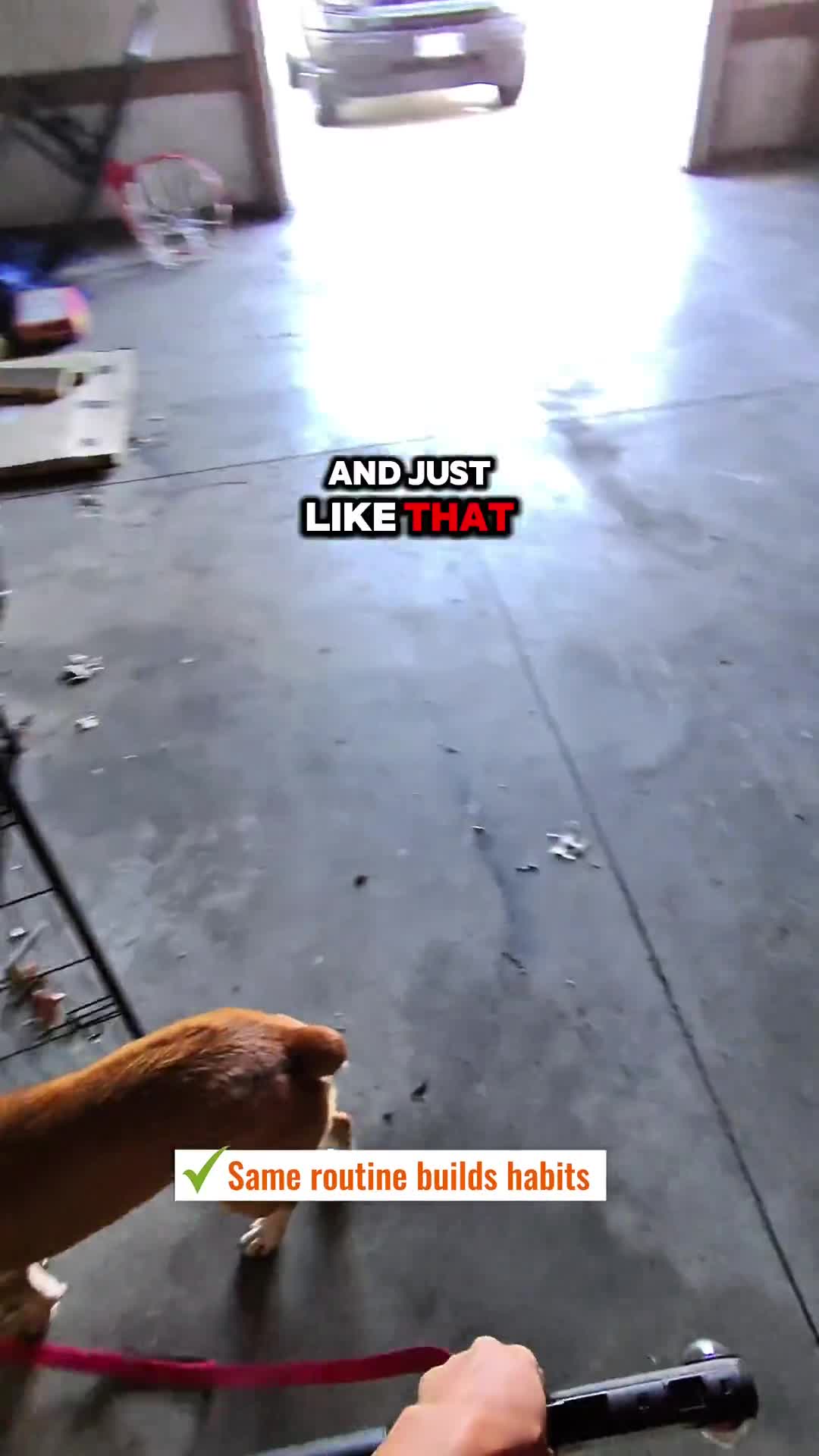
No command, no pressure, just consistency.
Over time, Crash learned that his playpen is a place to settle, not something to avoid.
While I prep his lick bowl, he chooses to go in and wait calmly on his own. That’s how you build a safe space, not punishment.
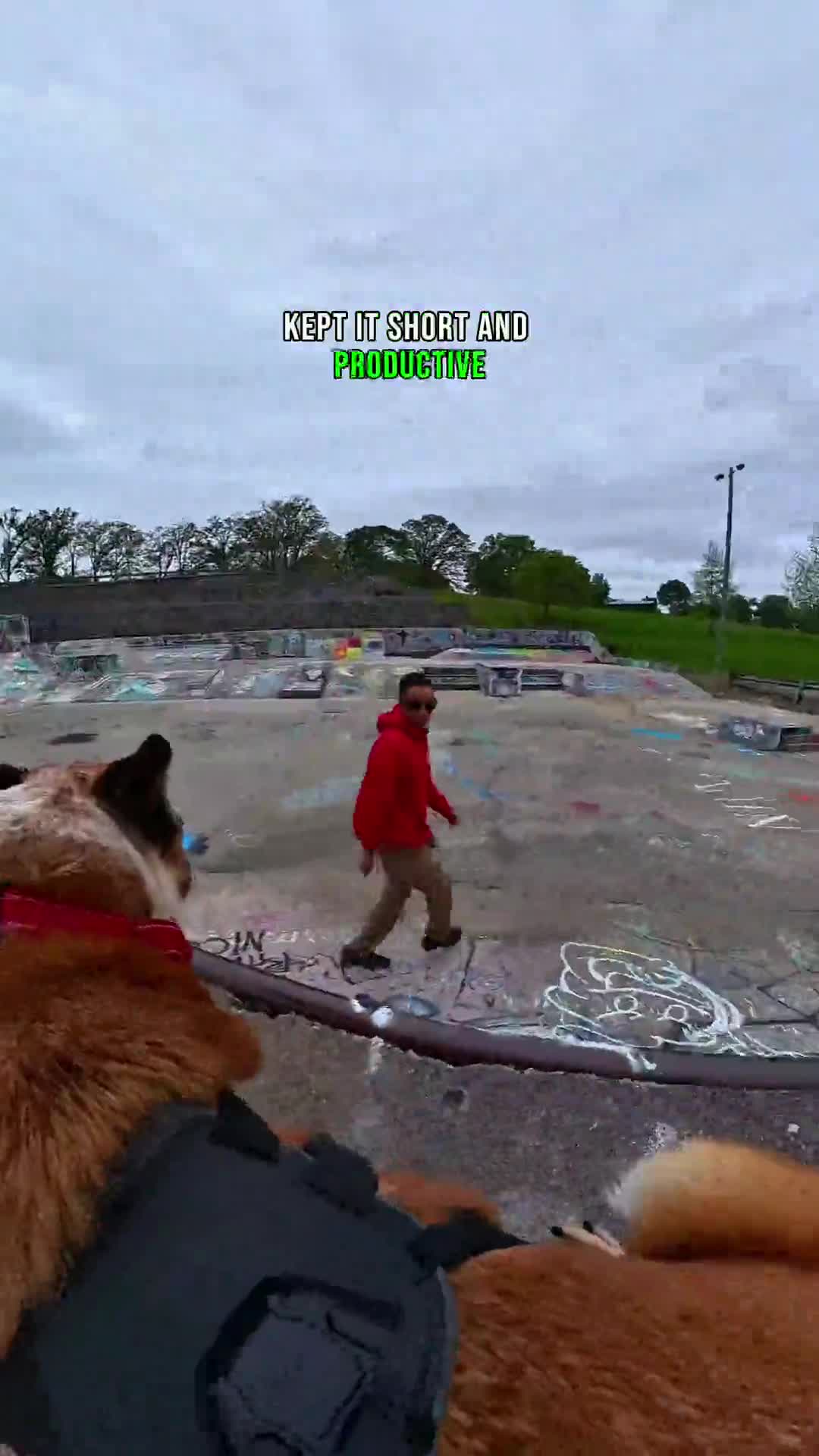
Training is only half the picture… what I do after matters just as much.
After a session, I always give Crash a way to decompress and settle, this time with a West Paw Toppl on his new bed.
Licking helps bring their energy level down and makes it easier for them to switch off.
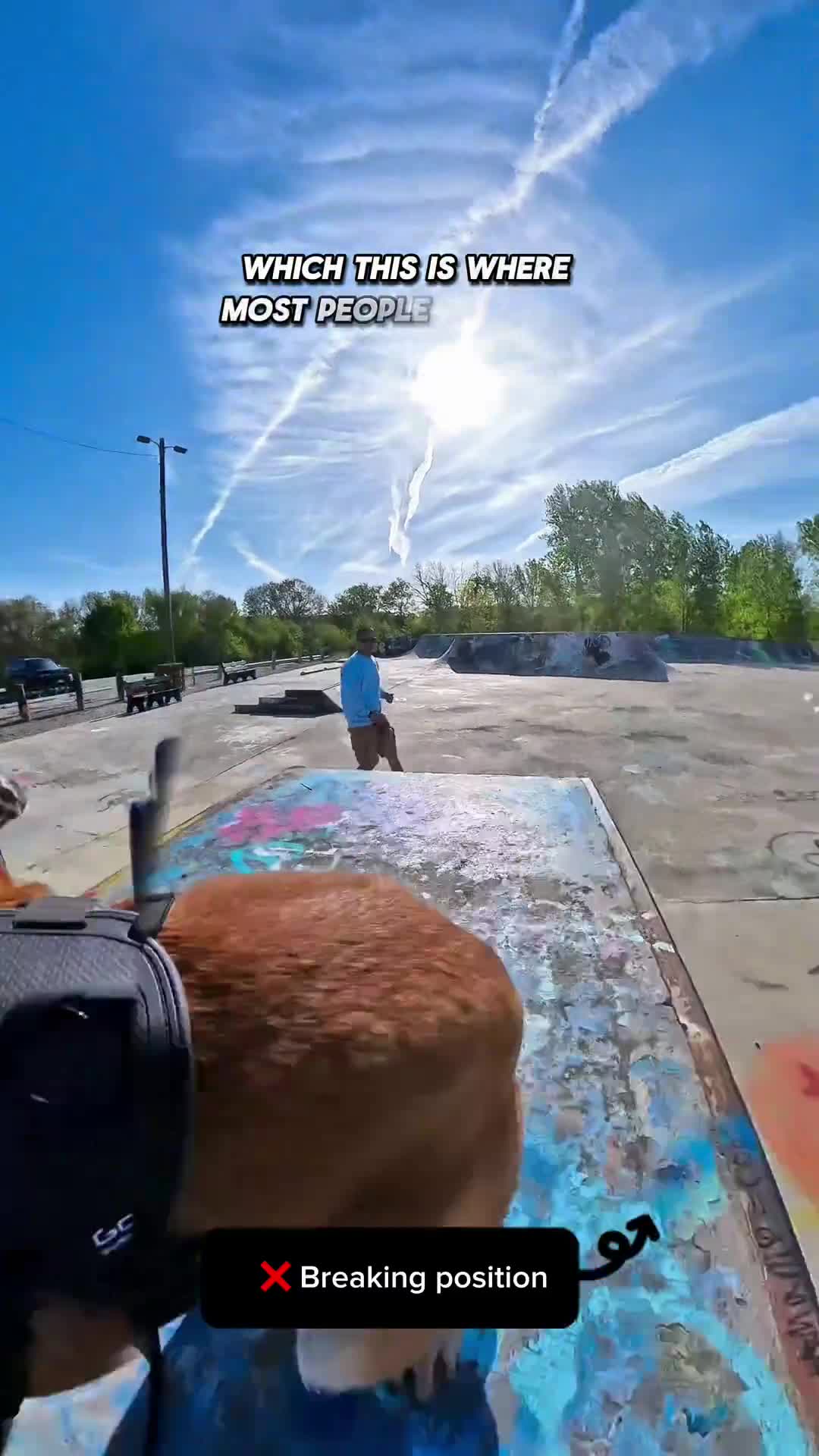
Crash started off breaking the down-stay as soon as I moved… but by resetting, adjusting, and building it step by step, we worked up to a full 360 on multiple platforms.
Real progress comes from consistency and clear reps, not rushing.
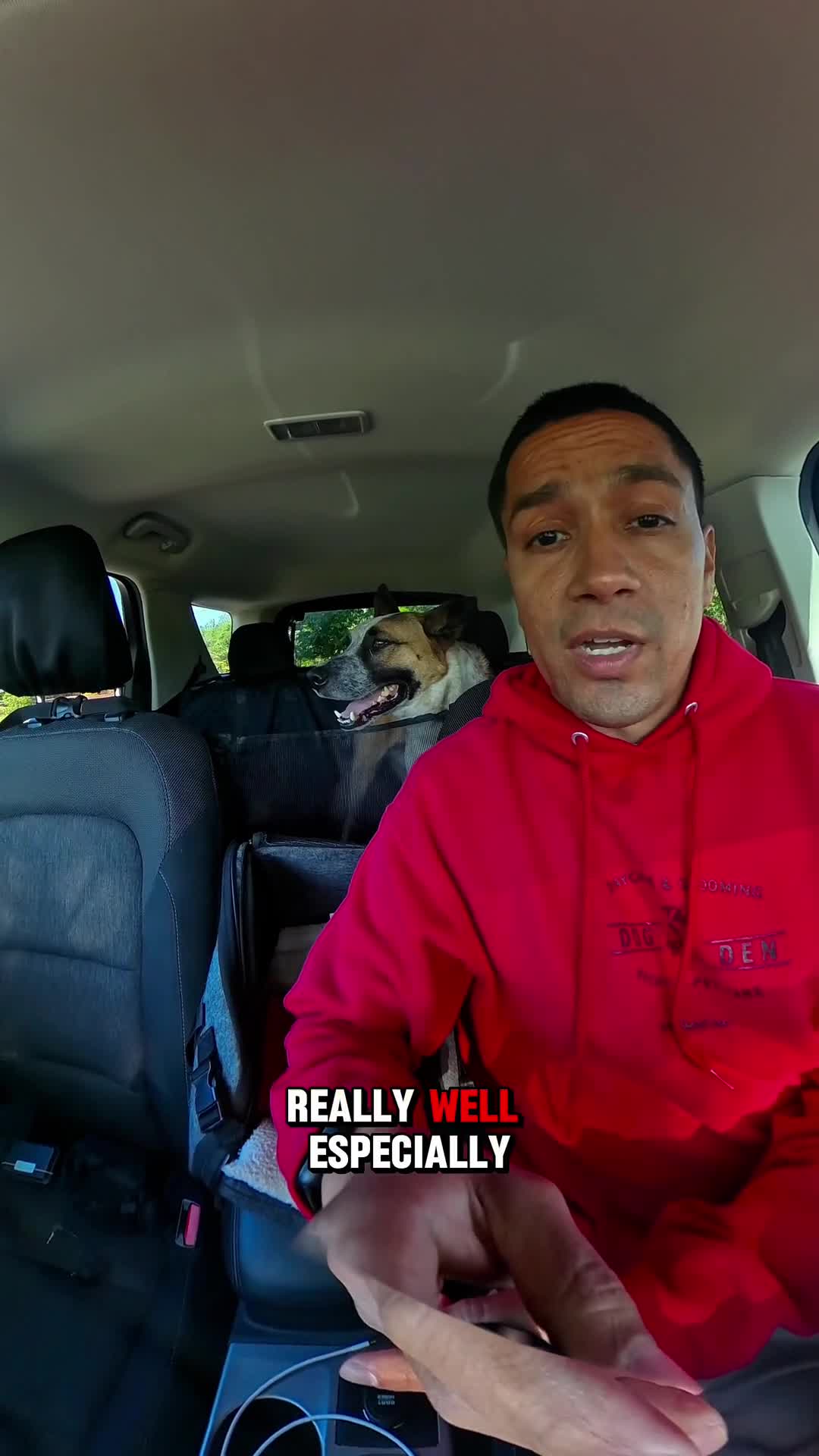
Crash came in unsure, struggling to hold a simple down and lacking confidence in new environments. Through clear communication, patience, and structured training, everything began to change.
what started as hesitation turned into commitment… and that commitment turned into confidence.
From avoiding platforms at the park to confidently holding a 360 down stay on unstable surfaces. This is what real progress looks like.
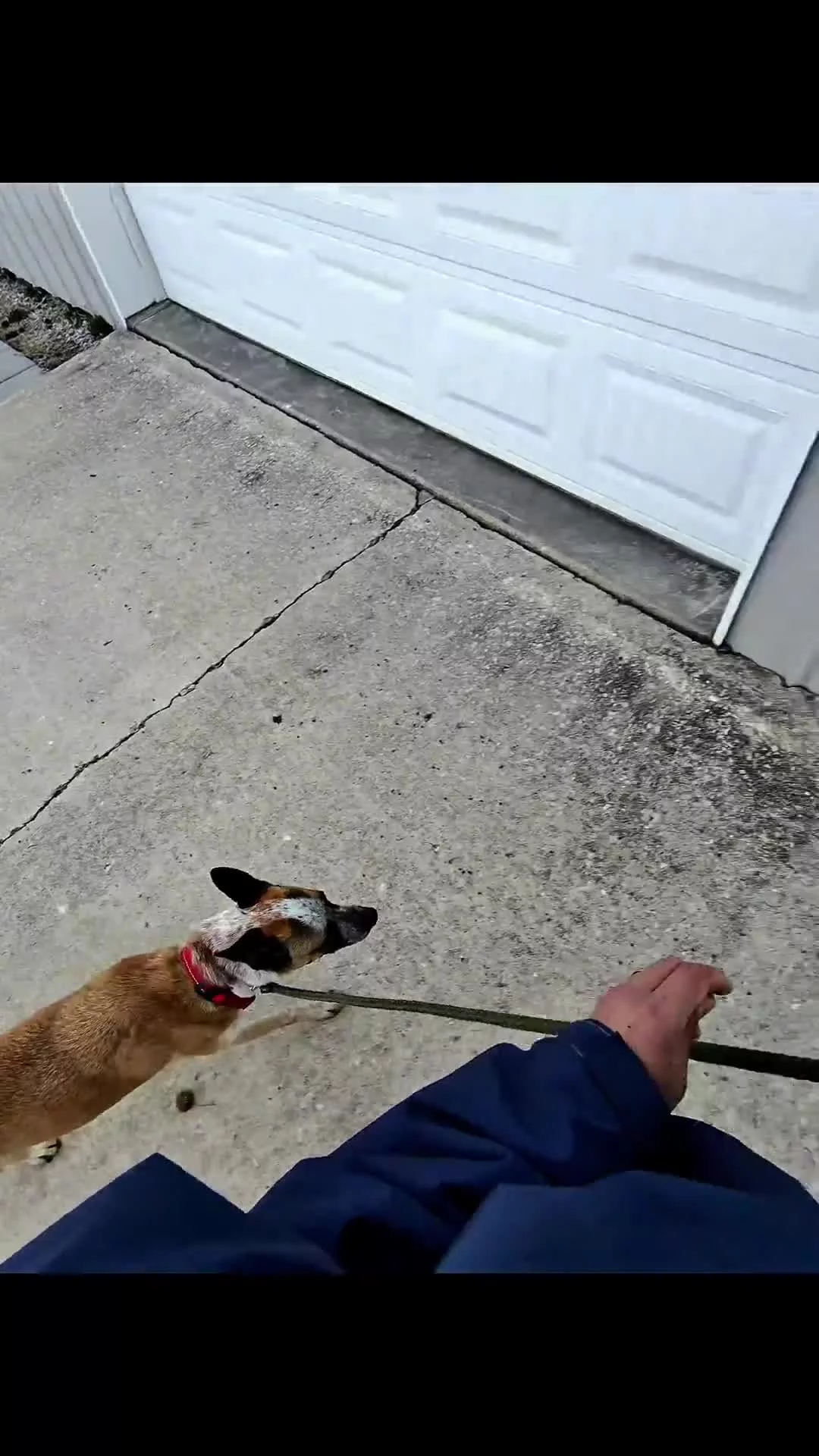
Crash is a newly introduced rescue dog beginning his foundational training program. The primary focus this week was building engagement, establishing clear communication, and introducing basic obedience behaviors in a controlled environment.
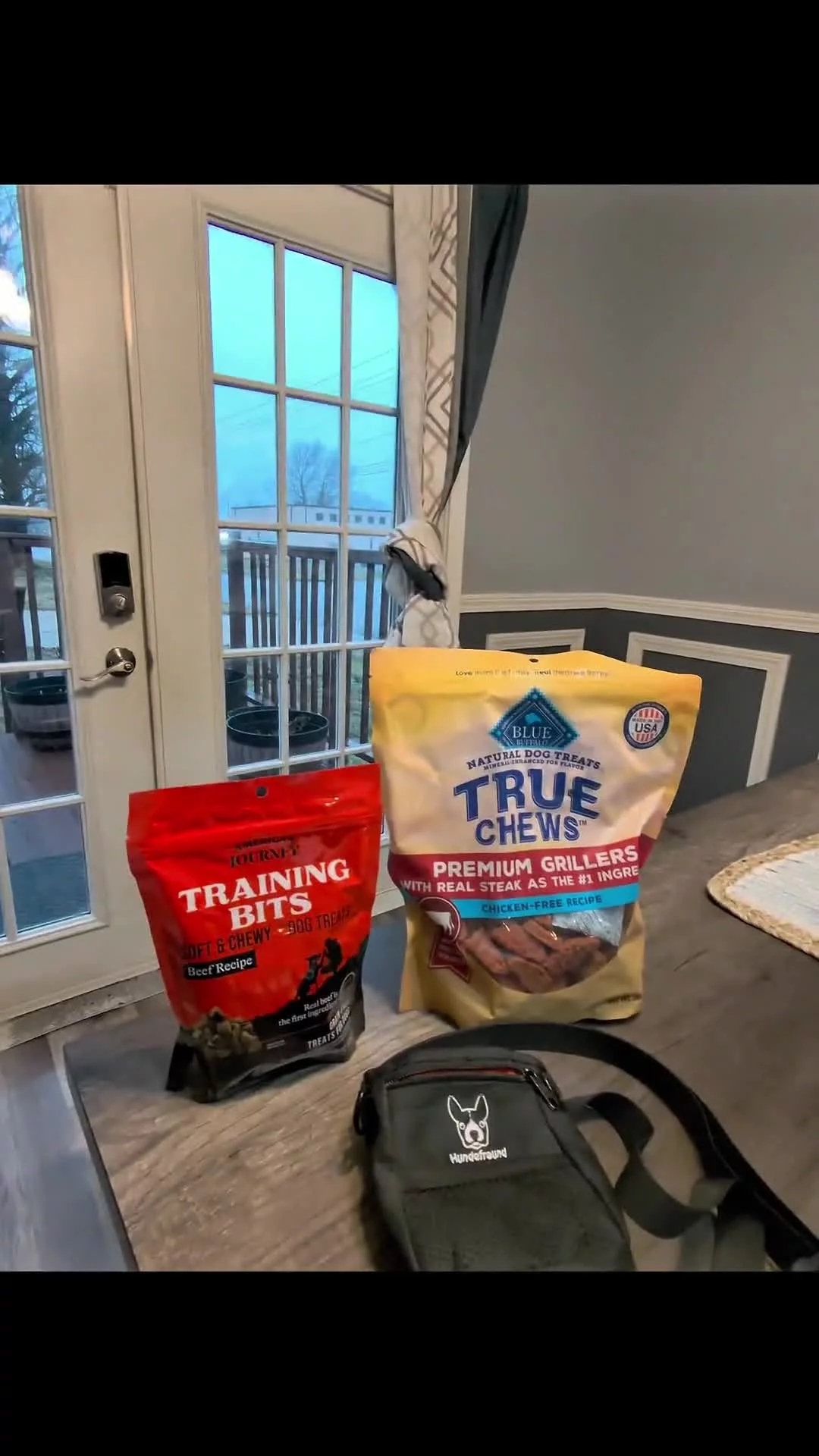
Get prepared for your first training session! Please have a treat pouch, medium and high value treats (everyday rewards and special rewards like chicken or cheese), and your dog on leash before I arrive to prevent jumping. A clicker is optional—we can also use the marker word “yes.” Most importantly, bring a positive attitude so training stays fun and productive.
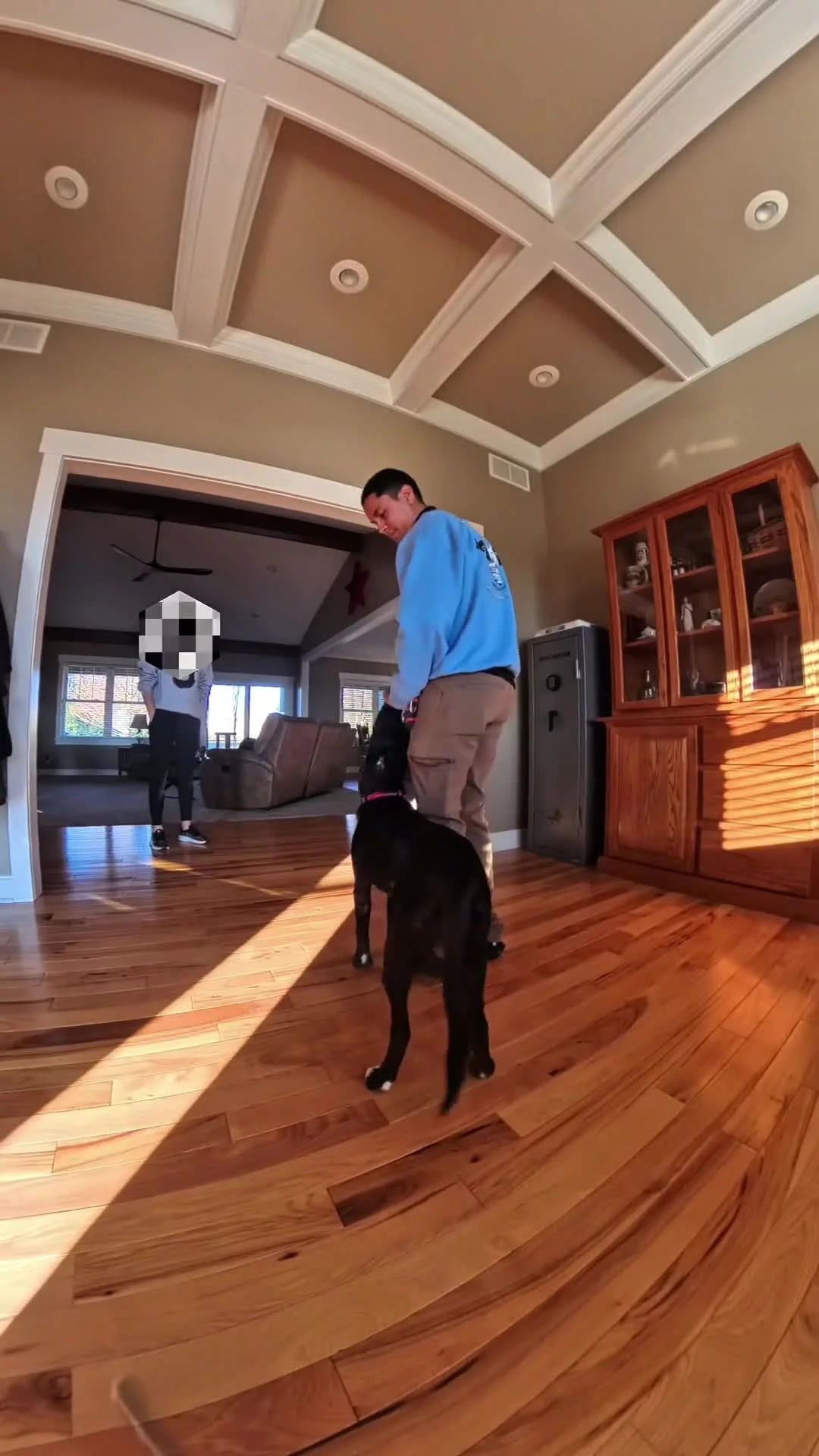
In this session, I demonstrate how to lure Nova into a sit on the left side. When it took longer than expected, we adjusted and tried the right side—where she was already comfortable from walking—and she responded quickly. Sometimes small changes make a big difference. Once she was consistent, we added the verbal cue “sit” and built clarity through repetition.
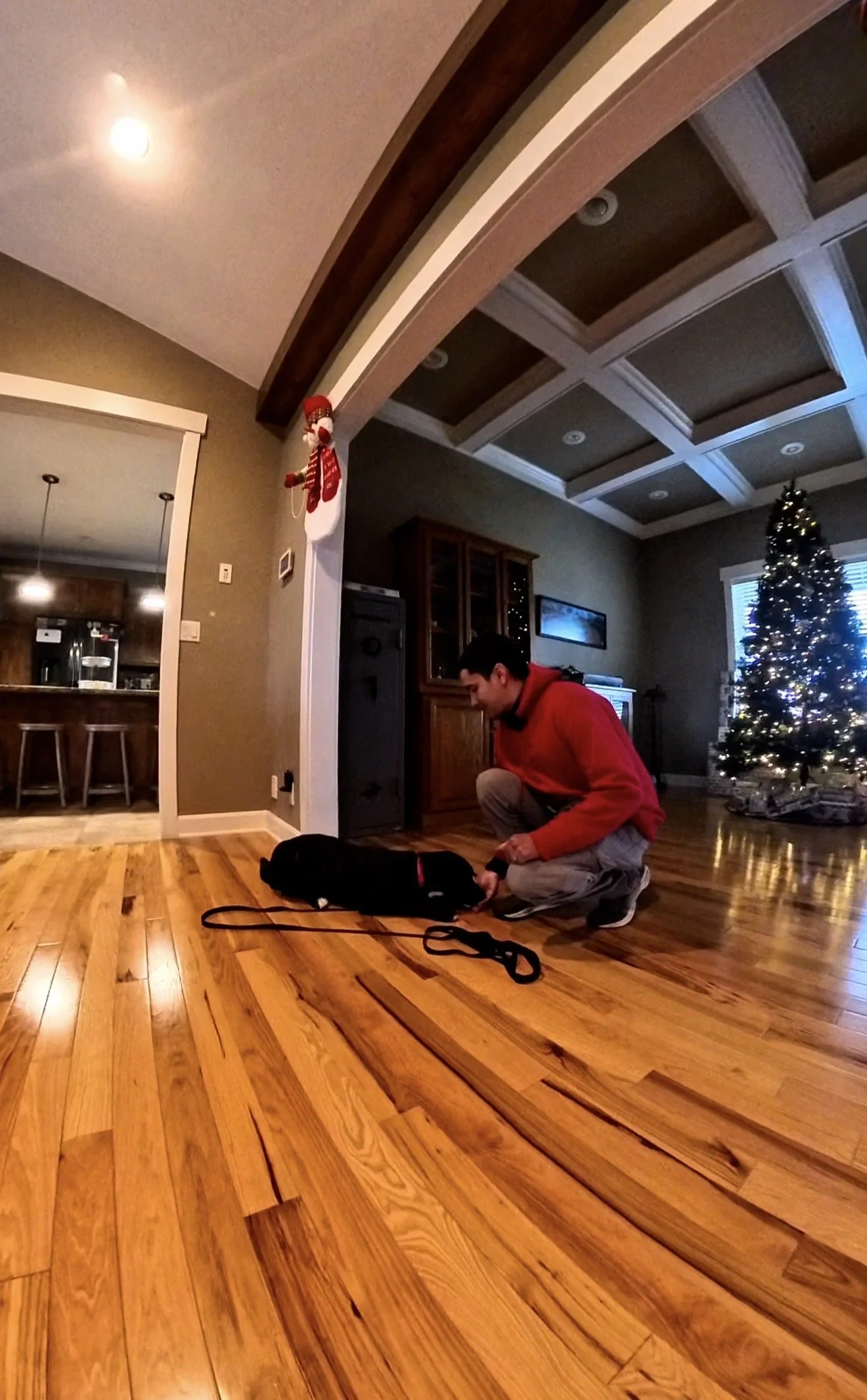
Teaching your dog “down” starts with clear guidance and good timing. Hold a treat to their nose and slowly guide it toward the floor, then pull outward to form an “L.” If their nose leaves your hand, you’re moving too fast. The moment their elbows touch the ground, mark with “yes” and reward. Slow, smooth, and consistent wins every time.
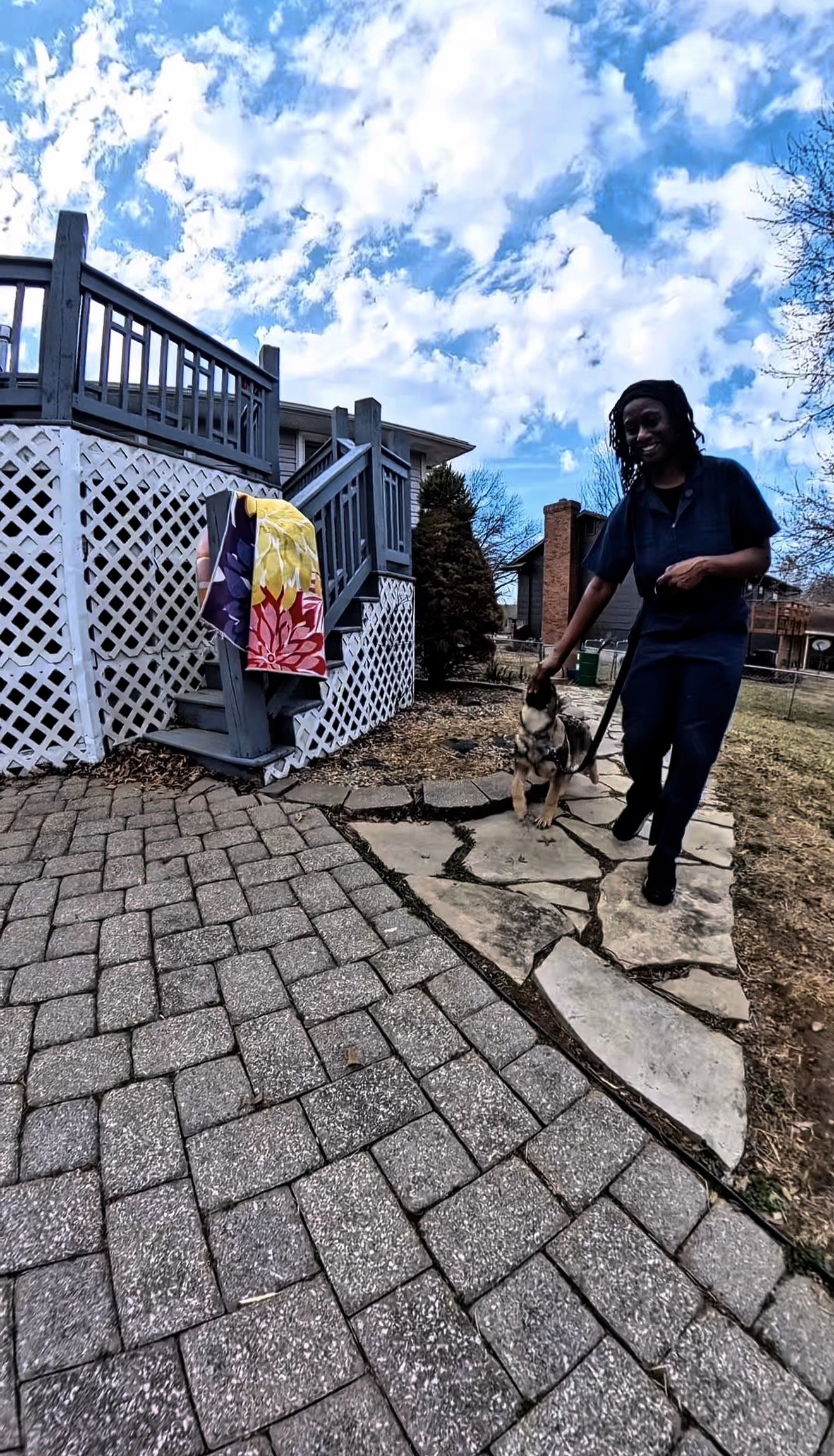
This video highlights my approach to loose leash walking by coaching the handler first—not just correcting the dog. You’ll see luring into heel, using a consistent release cue (“walk”/“let’s go”), stepping off with the leg closest to the dog for clarity, engaging with a treat at nose level, and reducing leash tension to encourage voluntary following and focus.
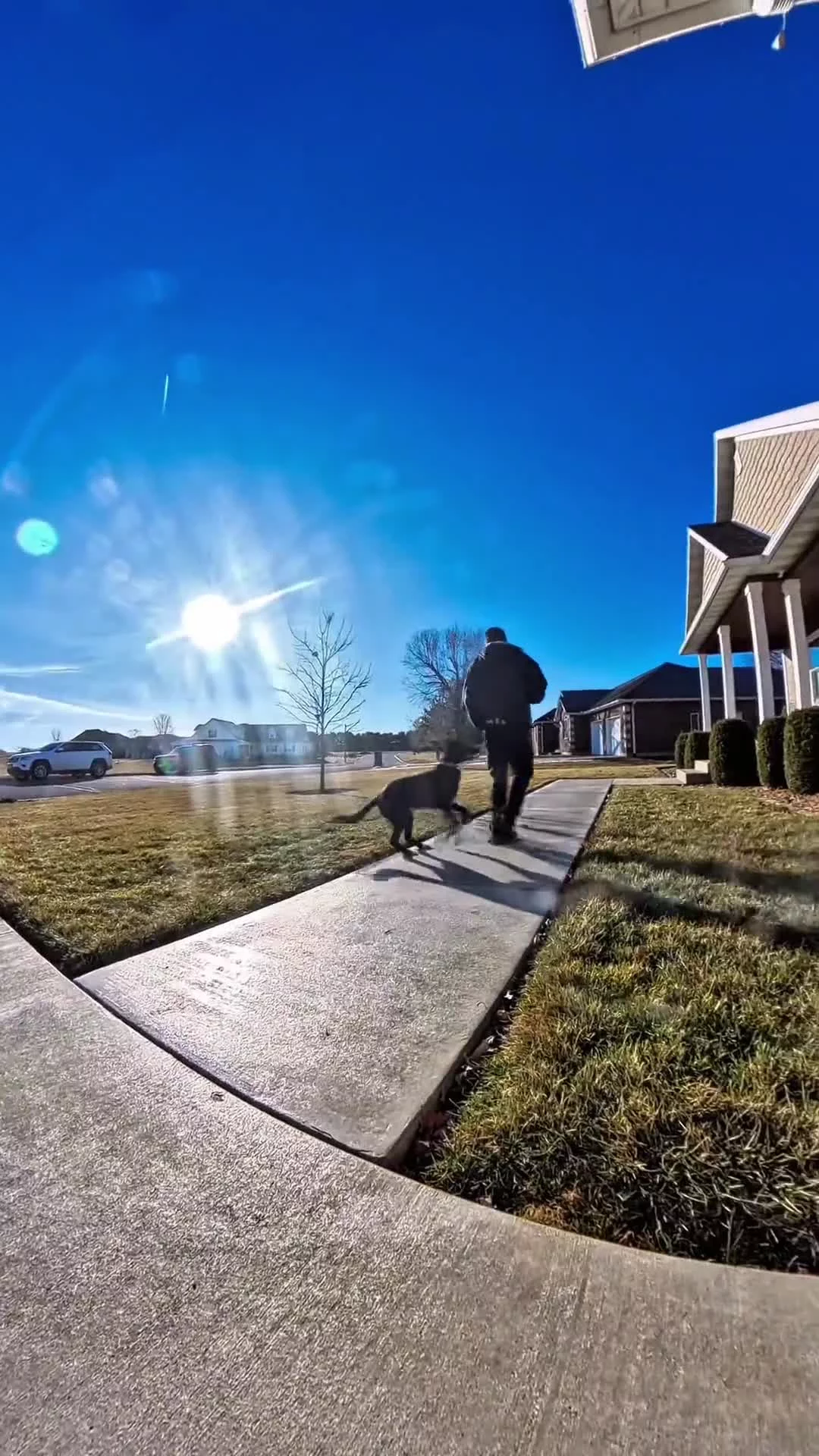
This puppy would bark and pull when neighbors walked by. We used the “find it” game, tossing treats on the ground to create a positive association with people passing. The key is staying under threshold—if they can look, listen, and take treats, you’re in the right spot. If not, increase distance. With consistency and awareness, reactivity can turn into focus.
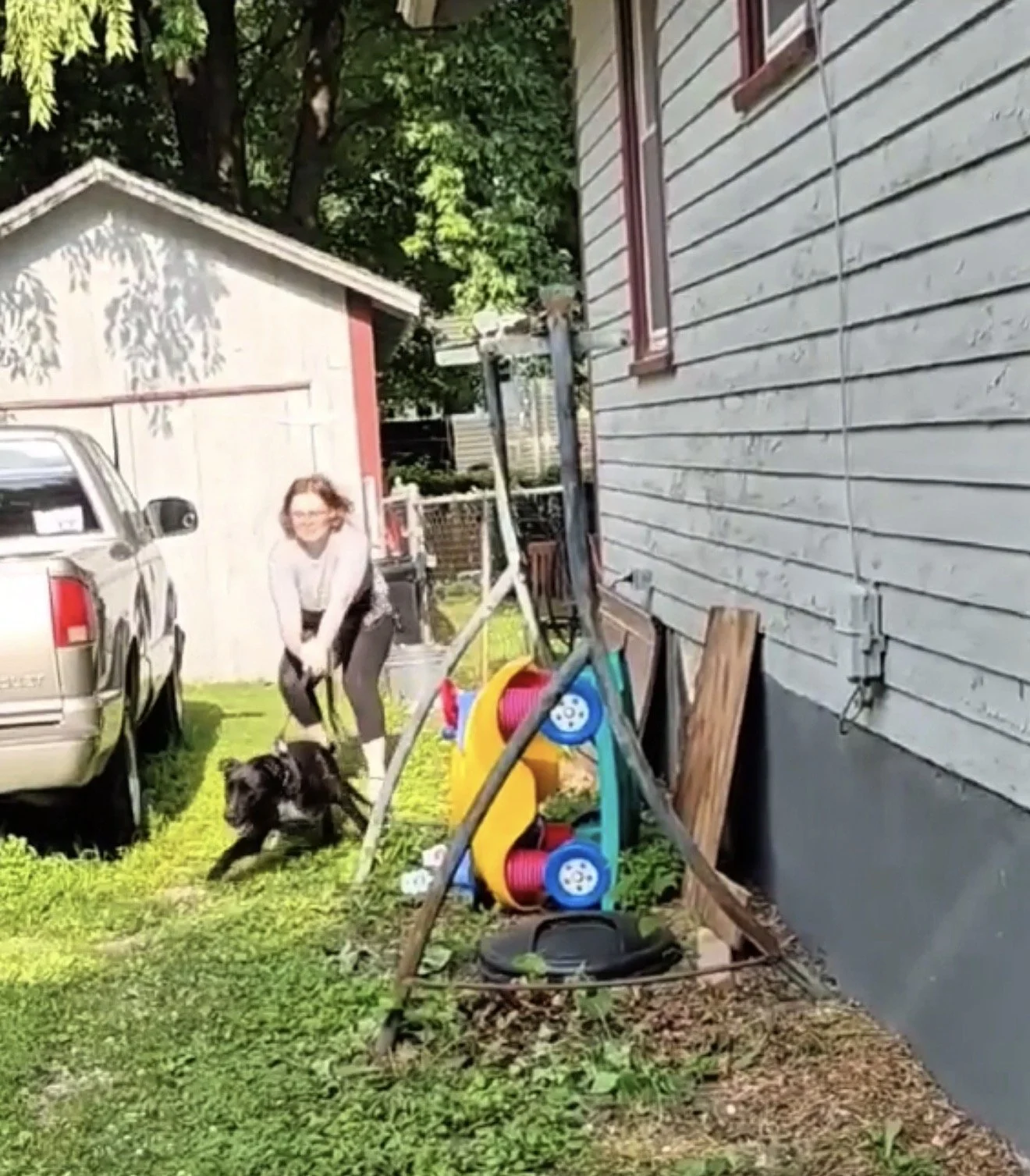
Kooby was an extreme leash puller who had pulled his owner to the ground. We started with proper leash handling and choosing a consistent walking side, then built a clear heel position. From there, we focused on impulse control at the door, porch, and yard gate. With consistent repetition and structure, Kooby learned to walk calmly and wait for permission before exiting.
